
PRP Treatment Northern Michigan
Our Services
Please call us at
(231) 935-0900
for an appointment
Platelet-rich plasma, or PRP, is an orthobiologic treatment prepared from a patient’s own blood. It may be considered as part of a treatment plan for certain tendon injuries, joint conditions, and other musculoskeletal problems.
Dr. Thomas Freeman uses PRP injections for selected shoulder and knee conditions. Whether PRP is appropriate depends on the diagnosis, severity of the condition, symptoms, previous treatment, overall health, and available clinical evidence.
PRP does not replace every form of nonsurgical or surgical care. It also cannot mechanically reconnect a completely torn tendon or ligament, repair every meniscus tear, or replace cartilage that has been lost.
Dr. Freeman sees adult and pediatric patients from Traverse City, Northern Michigan, and communities throughout the Great Lakes region.
What Is Platelet-Rich Plasma?
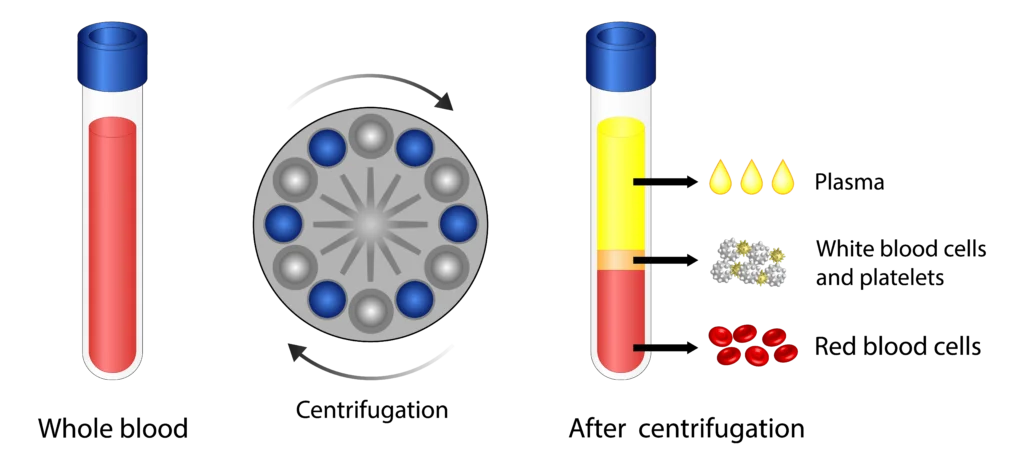
Blood contains several components, including:
- Red blood cells
- White blood cells
- Plasma
- Platelets
Platelets are commonly associated with blood clotting. They also contain proteins and signaling molecules involved in the body’s response to tissue injury.
PRP is created by processing a sample of the patient’s blood to produce a solution with a higher concentration of platelets than the original sample. This solution is then injected into a selected joint, tendon, or other treatment area.
PRP is considered an autologous treatment because it comes from the patient’s own blood.
How Are PRP Injections Prepared?
A PRP appointment generally involves several steps.
1. Blood Collection
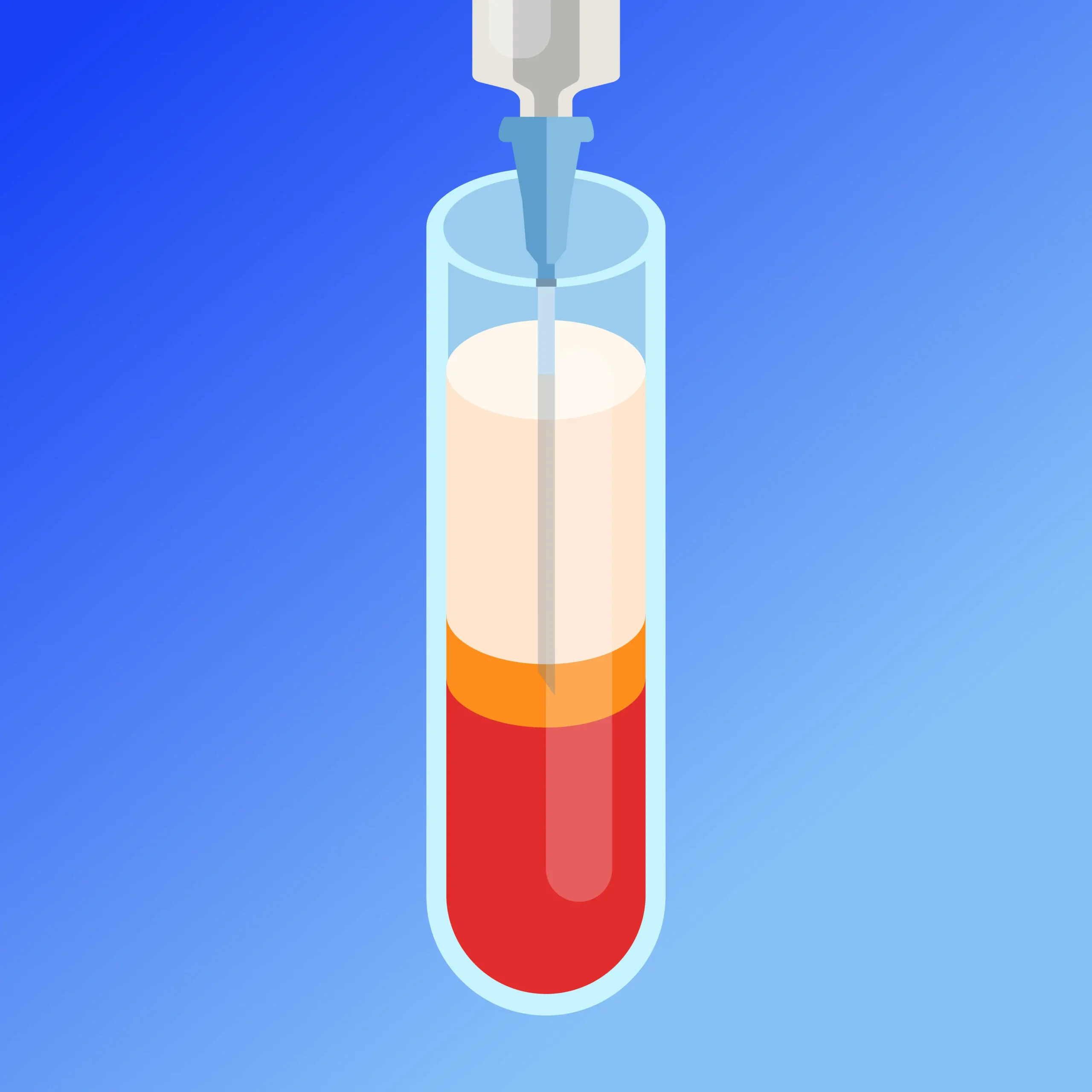
A healthcare professional draws a sample of blood from the patient’s arm. The amount collected depends on the preparation system and the treatment plan.
2. Processing the Blood
The blood is placed into a centrifuge. This device spins the sample to separate its components according to their density.
3. Preparing the Injection
The platelet-containing portion is collected and prepared for injection. PRP formulations can differ in platelet concentration, white blood cell content, and total volume.
4. Injecting the Treatment Area
The PRP solution is injected into the selected area. Ultrasound guidance may be used when appropriate to help identify the target and guide placement of the needle.
The complete process is usually performed during an office visit. Appointment length varies according to the area being treated and the preparation process.
How Does PRP Work?
Platelets contain substances involved in the body’s natural response to tissue injury. The purpose of a PRP injection is to place a concentrated platelet solution at a specific treatment site.
PRP is sometimes described as a regenerative treatment. However, this term does not mean that the injection can regrow every damaged tissue or return a joint or tendon to its original condition.
Researchers continue to study:
- Which conditions may respond to PRP
- Which patients may be appropriate candidates
- How PRP should be prepared
- Whether one injection or a series should be used
- How PRP compares with other treatments
- How long any response may last
Results vary by patient and condition. No specific amount of pain reduction, tissue healing, or improvement in function can be guaranteed.
Conditions That May Be Considered for PRP
PRP has been studied for several orthopedic conditions. The amount and quality of available evidence differ by diagnosis.
Dr. Freeman may discuss PRP for selected shoulder or knee conditions after completing an evaluation.
PRP for Shoulder Conditions
PRP may be considered for certain tendon-related causes of shoulder pain. Possible conditions include:
- Rotator cuff tendinopathy
- Selected partial rotator cuff tears
- Other chronic shoulder tendon conditions
- Certain cases of shoulder arthritis
A PRP injection cannot mechanically reconnect a completely detached rotator cuff tendon. Large or complete tears may require a different treatment plan depending on symptoms, weakness, tendon quality, activity needs, and other factors.
Evidence for PRP also varies among shoulder conditions. An evaluation helps determine whether PRP, physical therapy, medication, corticosteroid injection, surgery, or another treatment may be considered.
PRP for Knee Conditions
PRP may be considered for selected causes of knee pain, including:
- Mild to moderate knee osteoarthritis
- Certain knee tendon conditions
- Patellar tendinopathy
- Quadriceps tendinopathy
- Selected soft tissue injuries
PRP does not mechanically reconstruct a torn ACL, reconnect a complete tendon tear, or repair every meniscus injury. It also does not replace cartilage that has been lost through arthritis.
Research has examined PRP for knee osteoarthritis, but patient responses vary. The stage of arthritis, age, overall health, activity level, and other factors may affect whether PRP is discussed.
Who May Be Considered for PRP?
PRP may be considered when a patient has a condition for which the treatment has been studied and when it fits within the broader care plan.
Possible considerations include:
- A confirmed orthopedic diagnosis
- Continued symptoms despite activity changes or physical therapy
- A tendon condition that may not require surgical repair
- Mild to moderate knee arthritis
- A preference to discuss nonsurgical options
- Medical factors that affect other treatment choices
- Willingness to follow post-injection instructions
- Understanding that results cannot be predicted
PRP should not be recommended based on pain location alone. Shoulder or knee pain can come from several structures, and different conditions may require different treatments.
PRP vs Corticosteroid Injections
PRP and corticosteroid injections are different treatments.
PRP Injections
PRP is prepared from the patient’s blood. It is used to place concentrated platelets and associated proteins into a selected treatment area.
Corticosteroid Injections
Corticosteroids are anti-inflammatory medications. They may be injected into or around certain joints and soft tissues to reduce inflammation and manage pain.
A corticosteroid injection does not repair a torn tendon or restore damaged cartilage. Its effects may also be temporary.
The choice between PRP, corticosteroid injection, or another treatment depends on the diagnosis, treatment goals, medical history, timing, and available evidence. One is not automatically better than the other for every condition.
PRP vs Viscosupplementation
Viscosupplementation involves injecting hyaluronic acid into the knee joint. Hyaluronic acid is a substance found naturally in joint fluid.
Viscosupplementation is primarily used for knee arthritis. Research regarding its effectiveness has produced mixed results.
PRP and viscosupplementation are prepared differently and are not interchangeable. Dr. Freeman considers the diagnosis, stage of arthritis, previous treatment, symptoms, and available evidence when discussing injection options.
Preparing for a PRP Injection
Instructions vary according to the patient’s health and the area being treated.
Before the appointment, patients should tell Dr. Freeman about:
- Prescription medications
- Over-the-counter medications
- Vitamins and supplements
- Blood-thinning medications
- Previous injections
- Blood or platelet conditions
- Current illness or infection
- Allergies
- Pregnancy
- Other medical conditions
Patients may receive instructions about anti-inflammatory medications before and after treatment. These medications should not be stopped unless directed by the appropriate medical professional.
Patients should also ask whether they need to arrange transportation or modify work and exercise after the injection.
What to Expect During a PRP Injection
The treatment area is identified and cleaned. A local anesthetic may be used depending on the location and treatment plan.
The PRP solution is injected into the selected area. Ultrasound guidance may be used to help place the needle near the intended tissue or within the joint.
Patients may experience pressure or discomfort during the injection. The level of discomfort varies according to the area treated and individual sensitivity.
A bandage is placed over the injection site after the procedure. Patients receive instructions regarding activity, medication, and symptoms that should be reported.
After the PRP Injection
Pain, soreness, stiffness, or swelling may occur after a PRP injection. These symptoms can vary in intensity and duration.
Post-injection instructions may include:
- Limiting strenuous activity temporarily
- Avoiding direct stress on the treatment area
- Using a brace or supportive device when recommended
- Following instructions regarding ice or heat
- Following medication guidance
- Beginning or resuming exercises at the recommended time
- Attending a follow-up appointment
- Reporting unexpected or worsening symptoms
Patients should follow the instructions provided for their specific condition rather than relying on a general recovery timeline.
When to Resume Your Active Lifestyle?
The timing of activity depends on the treatment area, diagnosis, symptoms, and physical demands of the activity.
Light daily activities may be permitted sooner than running, jumping, lifting, throwing, or competitive sports. A gradual progression may be recommended.
Returning too quickly may increase symptoms or place stress on the injured tissue. Clearance may be based on pain, motion, strength, function, and response to rehabilitation.
Summary
PRP may be one option within a broader orthopedic treatment plan. Whether it is appropriate depends on the specific tissue involved, severity of the condition, previous care, health history, and available evidence.
Dr. Freeman evaluates each patient before discussing PRP. Other options may include physical therapy, activity modification, medication, corticosteroid injection, viscosupplementation for the knee, bracing, or surgery.